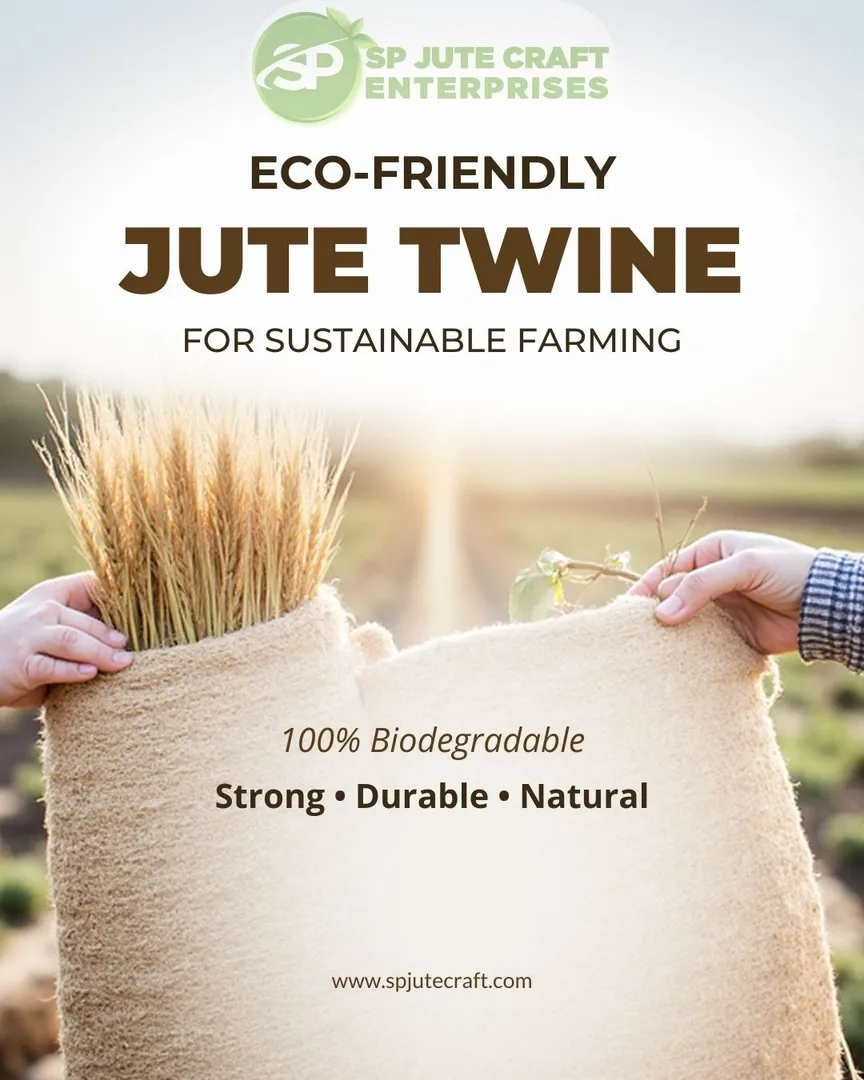
Despite the availability of synthetic tying materials, jute twine continues to be a preferred option for businesses that value durability, sustainability, and versatility. Manufactured from natural jute fibres, it offers excellent strength while remaining biodegradable, making it suitable for industries that are gradually shifting toward eco-friendly materials.
From securing packages to supporting agricultural work and creative handicraft projects, jute twine has applications across a wide range of sectors. Its adaptability makes it an essential product for businesses that require a dependable tying and bundling solution.
What Is Jute Twine?
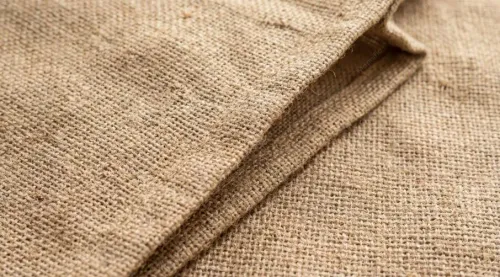
Jute twine is made by twisting natural jute fibres into strong strands of varying thicknesses. It is available in different gauges and strengths to accommodate light-duty and heavy-duty applications.
Because it is produced from renewable natural fibre, jute twine provides an environmentally responsible alternative to plastic ropes and synthetic cords in many situations.
Common Uses of Jute Twine
Jute twine serves multiple purposes across commercial and industrial environments.
Some of its most common applications include:
- Packaging and bundling cartons
- Securing agricultural produce
- Horticulture and gardening
- Tying plants and saplings
- Industrial packing
- Export packaging
- Craft and DIY projects
- Decorative wrapping
Its flexibility allows businesses to use the same product for various day-to-day operational requirements.
Industries That Use Jute Twine
The demand for jute twine extends across several industries due to its strength and ease of handling.
It is commonly used by:
- Packaging units
- Farmers
- Agricultural cooperatives
- Exporters
- Horticulture businesses
- Handicraft manufacturers
- Warehousing companies
- Retail packaging suppliers
Many exporters also choose jute twine because it complements sustainable packaging initiatives that appeal to environmentally conscious buyers.
Advantages of Using Jute Twine
Businesses continue to choose jute twine because it offers practical benefits without compromising environmental responsibility.
Some of its key advantages include:
- Strong tensile strength
- Easy to knot and handle
- Biodegradable material
- Renewable natural fibre
- Suitable for indoor and outdoor applications
- Available in different thicknesses
- Safe for agricultural use
- Supports sustainable packaging practices
Its natural appearance also enhances the presentation of handmade products, gift packaging, and artisan goods.
Choosing the Right Jute Twine
Different applications require different specifications. Before selecting jute twine, buyers should consider:
- Thickness required
- Load-bearing capacity
- Intended application
- Length per roll
- Fibre quality
- Uniformity of twisting
- Moisture resistance requirements
Choosing the correct specification helps improve efficiency while reducing material wastage.
Growing Demand in Nagpur
Businesses across Nagpur are increasingly adopting natural packaging materials as sustainability becomes a greater priority. Packaging companies, agricultural suppliers, exporters, and handicraft manufacturers are incorporating jute twine into their operations because it aligns with eco-friendly business practices while maintaining dependable performance.
Reliable manufacturers are also helping businesses meet bulk supply requirements without compromising product consistency.
SP Jute Craft supplies quality jute twine for packaging, agriculture, handicrafts, and industrial applications, serving businesses that require dependable natural fibre products for everyday operations.
As industries continue moving toward environmentally responsible packaging materials, jute twine remains a practical solution that combines functionality, durability, and sustainability across multiple sectors.
Keywords