Buying light hessian in Nagpur requires more than asking for a fabric described as “light.” You need to identify the right seller, define GSM and usable width, confirm whether you can buy a cut length or must take a full roll, and check the fabric before accepting delivery.
Key takeaways
- Confirm whether the Nagpur supplier holds stock or dispatches rolls from another city.
- Specify roll width, fabric weight, weave, colour, quantity, and intended use.
- Request a sample before approving bulk light hessian fabric.
- Keep hessian rolls dry, elevated, covered, and away from direct sunlight.
Where to Find a Hessian Cloth Supplier in Nagpur
A hessian cloth supplier in Nagpur may sell from local stock, manufacture the fabric, or only record your order before dispatching rolls from another city. Identify the route before requesting a quotation.
1. A Nagpur stockist keeps fabric on hand. Ask whether you can inspect a roll or sealed swatch, buy cut lengths, collect small quantities, and replace short or faulty material locally. Confirm delivery coverage, loading charges, GST, and whether local freight is included.
2. A manufacturer or converter sells directly from its own production or converting unit. Ask about minimum order quantity per colour, width, GSM, or production lot; sample approval; custom cuts; roll widths; lead time; and shortage claims. Direct supply can reduce intermediary margin but may require a full roll or larger lot.
3. A local intermediary accepts the enquiry in Nagpur but dispatches hessian fabric rolls from another city. Ask for the dispatch location, freight basis, expected transit time, insurance, inspection rights before shipment, and who handles shortages, damaged rolls, or shade variation between lots.
Search for jute cloth, burlap, and jute scrim as well as hessian; Indian trade listings use all four terms. If you want to buy hessian cloth for a small order, urgent production, sample inspection, or easy replacement, local stock matters more than a slightly lower metre rate.
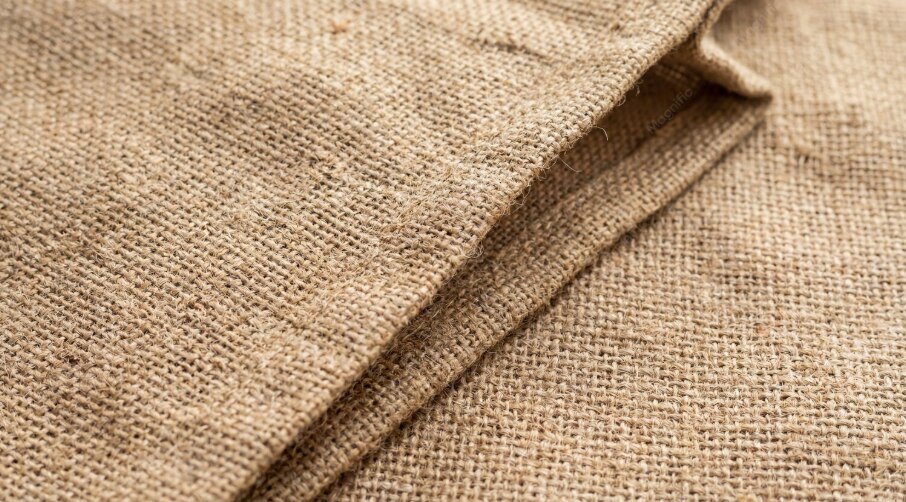
Before comparing quotes, ask whether the price includes GST, cutting, packing, loading, delivery, freight, and wastage. Approve a physical sample and record acceptable colour, slub, weave, odour, and stiffness variation before ordering production quantities.
What to Specify Before You Request a Hessian Fabric Quote
Do not request “light hessian” as the specification. For hessian cloth light fabric in Nagpur, send a brief that identifies:
- Target GSM, yarn count, weave density, thread count, mesh or opening size, and whether you need plain or treated construction.
- Loom width and finished usable width separately; selvedge, fraying, trimming, and winding can reduce the material available for cutting.
- Natural or dyed colour, plus whether the fabric is laminated, printed, or coated.
- Roll length, net fabric weight, width, and GSM together. Roll length and roll weight are not interchangeable: a wider or heavier roll can make a per-metre quote look cheaper without offering better value.
Ask whether the supplier sells cut lengths, provides sample swatches or a sealed lot sample, and accepts custom widths or cuts. Confirm whether the minimum order quantity applies to the whole purchase or separately to each colour, width, GSM, or production lot.
Your quotation request should also show whether edge trimming, selvedge handling, packing, GST, loading, delivery, freight, and wastage are included. Compare the landed total, not only the metre rate.
For hessian fabric rolls, record the quoted length, net weight, usable width, and GSM on the purchase order so the delivered material can be checked against the quotation.
How to Match Light Hessian Fabric to the Job
A 5–9 ounce-per-square-yard fabric equals roughly 140–250 GSM. Lower GSM usually handles more easily and feels more open; higher GSM tends to offer greater opacity, stiffness, tear resistance, and load support.
GSM is not a performance certificate: yarn count, weave density, surface hairiness, seam behaviour, edge fraying, tensile strength in warp and weft, and abrasion resistance can make two fabrics with the same GSM behave very differently.
Match the fabric to the job:
- Gift wrapping and table décor: choose a clean, flexible surface where texture matters more than load strength.
- Craft work and nursery use: prioritise easy cutting, low fraying, and moderate stiffness; test for odour and colour transfer.
- Produce packing or direct contact: request treatment and compliance declarations covering dye, oil, starch, softener, fungicide, and recycled-fibre content. Do not treat “natural jute” as proof of untreated material.
- Temporary covers: check opacity, tear resistance, and whether the open weave admits dust or moisture.
- Branded bags: test a printed swatch first. Hair, absorbency, and open weave can cause ink bleed, uneven colour, and poor logo registration.
| Application | Buying priority | Main risk |
|---|---|---|
| Gift wrap | Flexible, attractive texture | Excessive stiffness |
| Craft or nursery use | Clean cut and low fraying | Fibre shedding |
| Produce packing | Declared treatments and strength | Unverified contact safety |
| Branded bags | Closed, stable surface and print test | Bleed and misregistration |
| Temporary cover | Tear resistance and opacity | Dust or moisture entry |
Light Hessian Compared with Other Packaging and Décor Fabrics
Light hessian fabric is the practical choice when visible texture, breathability, repeated handling, and compostable-style presentation matter more than maximum strength or moisture protection.
| Option | Appearance and printability | Reuse, strength and handling | Moisture response and cost drivers |
|---|---|---|---|
| Light hessian | Rustic, open, hairy texture; suitable for simple prints, but fine logos can bleed or register unevenly. | Reusable for wrapping, décor, and light bags; moderate tear and abrasion resistance; easy to cut and sew. | Absorbs humidity and offers little barrier protection; cost depends on GSM, weave, width, cutting, and wastage. |
| Heavy sacking cloth | Coarser, less decorative surface; basic printing works better than detailed branding. | Built for demanding filled-bag work, with higher load and abrasion resistance; harder to handle. | Breathes but does not seal out moisture; higher yarn, GSM, and conversion costs. |
| Cotton canvas | Smoother, cleaner surface with stronger print definition. | Stronger reusable products and better abrasion resistance; heavier and more effortful to cut or sew. | Absorbs water; cost reflects cotton quality, weight, and finishing. |
| Polypropylene woven fabric | Uniform industrial appearance; sharp printing with suitable treatment. | High load capacity and abrasion resistance; lightweight rolls are easy to handle. | Resists moisture; price follows polymer grade, coating, lamination, and construction. |
| Paper | Clean, low-cost presentation for single use. | Tears and abrades sooner; simplest handling. | Fails when wet; cost favours high-volume, disposable packaging. |
| Nonwoven jute | More uniform surface than woven hessian; easier cutting and neat craft work. | Moderate reuse and strength; minimal fraying simplifies conversion. | Limited barrier protection; cost depends on thickness and bonding. |
| Laminated jute | Natural jute appearance with a coated face; branding is more controlled. | Reusable and stronger against surface wear, but less flexible. | Provides barrier protection; lamination and coating raise cost and reduce easy composting. |
Choose light hessian when texture is part of the product. Buy hessian cloth in another construction when load strength, wet storage, smooth printing, or sealed protection is the deciding factor.
How to Order, Inspect, and Store Hessian Fabric in Nagpur
Send a precise enquiry before asking any hessian cloth supplier in Nagpur for a price. State the intended use, target GSM, usable width, colour, finish, quantity, roll preference, destination, and required delivery date. Ask for MOQ, sample or sealed-swatch policy, available cuts, and a written landed price covering GST, packing, loading, freight, and delivery.
SP Jute Craft Enterprises is one Nagpur-based contact for a direct quotation, sample discussion, available cuts, and delivery terms; confirm whether the quoted stock is local or dispatched from elsewhere.
1. Approve the sample before production quantities. Define acceptable variation in colour, slubs, weave regularity, stiffness, usable width, and dimensions. Similar-looking hessian fabric rolls can behave differently between lots.
2. Record the order basis in writing: net fabric weight, roll length, width, GSM, number of rolls, and any cut-length requirement. Roll weight cannot replace roll length because a wider or heavier roll can make a quotation look cheaper.
3. Photograph every roll before unpacking. Check roll count, label details, gross and net weight, measured usable width, approximate length, holes, weaving faults, mould, odour, and visible moisture. Keep the photographs with the delivery note for shortage or transport claims.
4. Store rolls on pallets or another raised surface, away from rain, walls with condensation, and direct floor contact. Jute is hygroscopic, so ventilation matters; damp material develops mildew, stains, odour, and dimensional instability. Delay cutting until moisture damage is assessed.
Related product
 | JUTE FABRICS Hessian Cloth (Light Fabric) IN NAGPUR Weight: 5–9 oz (ounces per square yard) o Soft & light, packing of small quantity items o Common for... View product → |
Frequently asked questions
Where can you find a hessian cloth supplier in Nagpur?
Check local manufacturers, packaging-material dealers, fabric wholesalers, and suppliers that dispatch hessian fabric rolls to Nagpur. Ask whether the fabric is held locally or shipped from another city.
What should you specify before requesting a hessian fabric quote?
Give the required roll width, fabric weight, weave, colour, total quantity, roll length, delivery location, and intended use. Ask for a sample and confirm whether transport and taxes are included.
How do you choose light hessian fabric for a specific job?
Match the fabric weight, weave openness, surface finish, and roll width to the job. Use a sample to test cutting, stitching, drape, fraying, and appearance before placing a bulk order.
How should you inspect and store hessian fabric rolls?
Check the rolls for dampness, mildew odour, stains, uneven weave, broken threads, and width variation. Store them off the floor in a dry, ventilated area under breathable protection.
Keywords