The right silage bag depends on more than its stated weight: fodder volume, packed density, handling equipment, sealing quality and Nagpur’s heat and monsoon exposure all affect the result. By the end, you will be able to compare bag formats, inspect supplier specifications, prepare and place the bags correctly, and identify storage failure early.
Key takeaways
- Calculate bag capacity from daily fodder use and storage days.
- Reject bags with thin film, weak seams, damaged liners or poor closures.
- Compact and seal fodder quickly to limit oxygen exposure.
- Raise bags off the ground and protect them from heat, rain and punctures.
Match bag size to fodder volume, animals and handling equipment
Estimate daily fodder use before choosing a bag: animal count × kilograms fed per animal per day × storage days. The practical answer to how to choose a silage bag for agriculture in Nagpur also depends on who fills, lifts and unloads it, and whether monsoon storage or daily feeding requires smaller units.
| Option | Handling fit | Main trade-off |
|---|---|---|
| 50 kg | Manual lifting and short feeding cycles | Easier to move; more bags and closures |
| 60 kg | Manual handling by stronger teams | Slightly higher output; greater lifting strain |
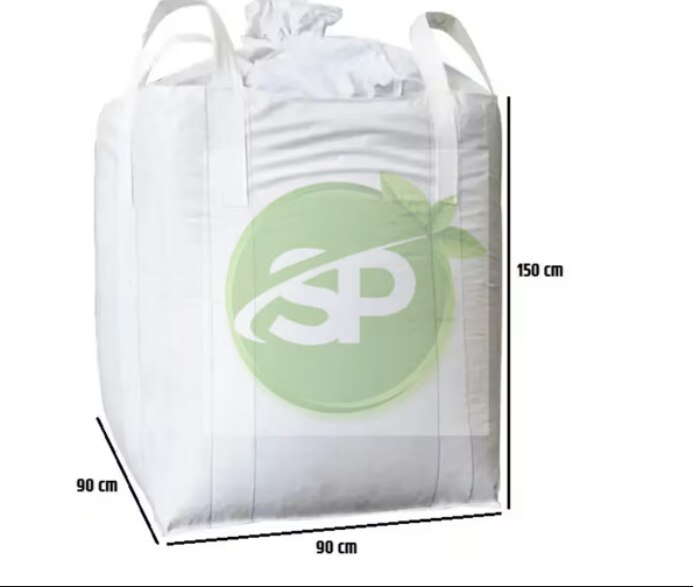
| 500 kg | Pallet jack, hoist or other mechanical movement | Faster bulk handling; needs stable stacking and transport |
| 1 ton | Forklift, loader and firm access route | Efficient at scale; unsafe without rated lifting equipment |
Rated weight is not guaranteed chopped-fodder capacity. Moisture, crop density and compaction change the load, so leave operating margin below the nominal maximum. Compare silage bag sizes by diameter × length, internal volume and kilograms; a long, narrow bag is not equivalent to a shorter, wider one.
Choose several shorter bags when inspection, unloading and feeding access matter. One long bag reduces end closures and labour but exposes more fodder after a puncture and is harder to inspect, seal, transport and unload. Check filling time, stacking stability and equipment clearance before ordering.
Inspect the film, liner and closure before comparing prices
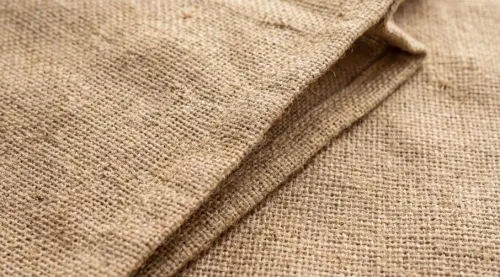
Fermentation depends on an airtight, UV-stabilised polyethylene barrier, not a woven outer appearance. Ordinary jute gunny silage bags are not primary fermentation containers: porous jute admits air and moisture. Jute works only as an outer handling or shade cover when a sealed polyethylene liner holds the silage.
1. Ask for a written specification covering the polyethylene grade, film thickness, layer construction, liner material and thickness, puncture resistance, tear strength, seam strength, closure method, UV exposure rating or warranty, and repair instructions. Nagpur’s sun, summer heat and monsoon rain make these details operating requirements, not paperwork.
2. Separate the two specifications. Ask, “What protects the bag from handling damage, and what creates the gas-tight inner container?” When discussing an outer jute product with SP Jute Craft Enterprises, request the protective sack specification separately from the polyethylene liner specification. Do not treat laminated fabric or jute appearance as proof of oxygen resistance.
3. Reject any quotation that gives only weight and price. For silage bags in Nagpur, confirm whether the quoted film forms a continuous sealed barrier, how the closure is secured, and how you repair a puncture without losing airtightness. Ordinary jute stitching and generic packaging tape do not reliably restore that barrier.
Related product
 | Jute Gunny Bag ( Agriculture use ) ₹1500 Silage bags are specially designed heavy-duty, 3–4 layer laminated bags used for storing chopped fodder. View product → |
Fill, compact and seal the bag before oxygen becomes the problem
Harvest at moisture suited to the crop and feeding system. For many forage silages, use roughly 30–40% dry matter as a practical reference, then adjust for crop maturity, chop length and equipment. A bag cannot correct material that is excessively wet, dry or poorly fermented.
1. Set the chop length for the crop and your filling equipment. Keep the stream moving so chopped forage enters the agricultural silage storage bags continuously rather than sitting exposed to air.
2. Fill progressively and compact each layer before adding more. Dense packing removes oxygen; slow filling leaves fermentation exposed to air.
3. Keep the finished profile smooth, firm and evenly dense. Remove shoulders, sharp folds and voids as you work. Underfilling leaves oxygen-containing headspace, while overfilling or uneven packing stresses the film and end closure.
4. Tie or heat-seal the opening immediately, using the supplier’s specified method. A delayed closure gives oxygen time to damage the fermentation.
5. Mark each bag with the crop, harvest date and bag number. Place the sealed bag on the prepared storage site without dragging it, because dragging can abrade or puncture the film. Lift it into position instead.
Prepare a Nagpur storage site for heat, rain and puncture hazards
Use a level, raised pallet area with shade or a sun-protective cover for silage bags in Nagpur. Keep the site drained, prevent rainwater from collecting around the bags, and leave ventilation space between stacks.
| Site feature | Action | Risk controlled |
|---|---|---|
| Shade | Use natural shade or an opaque protective cover | Summer sunlight and heat weaken exposed film |
| Base | Clear stones, sharp stubble, broken concrete and metal; use level pallets | Punctures, abrasion and uneven loading |
| Drainage | Maintain open runoff paths and keep bags above ground | Monsoon humidity, runoff and standing water |
| Access control | Control rodents, birds and livestock | Bites, pecking, tearing and displacement |
| Stack spacing | Leave air space between stacks | Trapped heat and difficult inspection |
Nagpur’s intense summer sun accelerates UV damage and heat-related weakening. During the monsoon, humid conditions, runoff and pooled water increase abrasion and closure failure.
Inspect every bag at placement and at least weekly through peak summer and monsoon. Look for holes, abrasion, tears, loose closures, ballooning and water accumulation.
Clean and dry a small puncture, then apply silage-film repair tape or a purpose-made patch immediately. Jute stitching and ordinary packaging tape do not reliably restore an airtight barrier, so isolate seriously damaged bags and assess the exposed silage.
Use smell, appearance and bag condition to catch failed fermentation
Properly fermented silage has a clean, acidic or pleasantly sour smell, a compact texture and a cool, uniform interior. Its colour varies by crop, but it should not contain spreading mould, slimy pockets or blackened sections.
A correctly sealed bag stays stable: progressive ballooning, liquid leakage or a heated section indicates trapped oxygen or another failure.
During inspection and feeding, investigate:
- Visible white, green, blue or black mould; isolate and discard affected material instead of mixing it into the ration.
- Foul, rotten, putrid or ammonia-like odour, which signals undesirable fermentation or decay.
- Unusual heat, wet leakage, damaged film or a loose end closure.
- A hole, even a pinprick, especially after contact with stones, stubble, rodents or livestock.
A local puncture can create a spoilage zone along the film interface. Isolate that section, trace the damaged area and assess silage on both sides before treating the remainder as safe.
Link each finding to the cause: wrong moisture, slow filling, poor compaction, oxygen entry, rain exposure or physical damage. Bag size or material alone does not explain failed agricultural silage storage bags.
Confirm the supplier specification, operating plan and disposal route
Use this final check to decide how to choose a silage bag for agriculture in Nagpur. Ask for a written specification, not a verbal capacity estimate.
- Record dimensions as diameter × length, internal volume, film thickness, polyethylene grade, UV rating or warranty, closure method and equipment compatibility.
- Confirm minimum order quantity, repair procedure and replacement policy.
- Ask whether stated capacity assumes a particular crop density, moisture level or compaction. Rated tonnes are not universal.
- Decide who will fill continuously, how a 500 kg or 1 ton unit will be lifted, how opened fodder will be accessed, and where damaged film will go.
| Measure | Compare | Why |
|---|---|---|
| Price per bag | Price per usable volume | A cheaper bag may hold less packed fodder |
| Price per bag | Price per square metre of film area | Diameter and length change material use and outdoor durability |
Compare silage bag sizes using these figures, then leave operating margin below the nominal maximum. Do not buy a large unit that your filling or lifting equipment cannot handle.
Polyethylene silage film is normally single-use or limited-reuse. After emptying, clean and separate it from organic waste, then send it to an agricultural-film recycler where available; never burn it in the open.
Frequently asked questions
How do you calculate the right silage bag size?
Multiply the number of animals by kilograms of fodder fed per animal per day and the number of storage days. Then choose a bag that your filling, lifting and unloading equipment can handle safely.
What should you inspect before buying a silage bag?
Check the film thickness and continuity, liner condition, seam strength and closure system. Do not compare prices until you confirm that the bag forms an airtight barrier and arrives without cuts, pinholes or damaged seals.
How can you prevent oxygen from damaging silage?
Fill the bag promptly, compact the fodder to remove air pockets and seal it immediately. Keep the closure airtight throughout storage.
How should silage bags be stored in Nagpur?
Prepare a smooth, drained site, raise bags away from standing water, and protect them from sharp objects, animals, intense heat and monsoon rain. Inspect the surface regularly for punctures and leaks.
Can jute gunny bags replace agricultural silage storage bags?
A jute gunny bag alone is not an airtight oxygen barrier. Use a purpose-made silage bag with a suitable liner when fermentation and long-term storage depend on excluding air.
Keywords