
Modern infrastructure projects are increasingly incorporating environmentally responsible materials without compromising performance. One such material gaining wider acceptance is jute fabric for construction. Known for its natural strength, biodegradability, and versatility, jute fabric is widely used in civil engineering and environmental protection applications.
From road construction to soil stabilization, this natural fibre plays an important role in improving project sustainability while supporting temporary reinforcement during the initial stages of development.
What Is Jute Fabric for Construction?
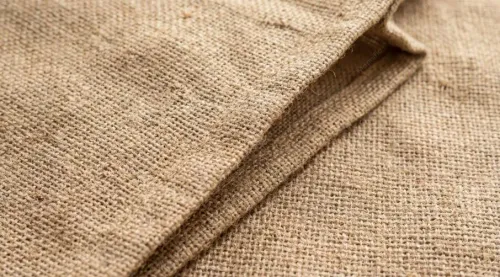
Jute fabric used in construction is a woven natural textile designed to provide temporary support for soil and land surfaces. It is commonly used as a geotextile in projects where erosion control, vegetation growth, and soil stabilization are priorities.
Unlike synthetic alternatives that remain in the environment for years, jute fabric gradually decomposes after fulfilling its purpose, making it suitable for environmentally sensitive projects.
Common Applications
Construction-grade jute fabric is used across various infrastructure and environmental projects.
Some of its major applications include:
- Soil erosion control
- Highway embankments
- Road construction
- Riverbank protection
- Slope stabilization
- Landscaping projects
- Canal embankments
- Environmental restoration work
These applications help protect exposed soil until natural vegetation becomes established.
Why Infrastructure Projects Use Jute Fabric
Construction companies often select jute fabric because it offers practical and environmental advantages.
Key benefits include:
- Natural biodegradability
- Good moisture retention
- Supports vegetation growth
- Reduces soil displacement
- Easy installation
- Flexible handling
- Environment-friendly material
- Suitable for temporary reinforcement
The fabric creates a protective layer that minimizes the effects of rainfall and surface runoff during the critical stages of land development.
Industries That Commonly Use Construction Jute Fabric
Several industries depend on jute fabric for project execution.
Typical users include:
- Construction companies
- Infrastructure developers
- Government contractors
- Highway authorities
- Environmental engineering firms
- Irrigation departments
- Landscaping contractors
- Civil engineering consultants
Its versatility allows it to be incorporated into projects of varying sizes, from local landscaping to large infrastructure developments.
Selecting the Right Construction Jute Fabric
Before purchasing jute fabric for construction, buyers should consider:
- Fabric weight
- Weave density
- Tensile strength
- Roll dimensions
- Project duration
- Site conditions
- Required coverage area
Choosing the correct specification helps improve project efficiency and ensures the material performs effectively under site conditions.
Demand Across Nagpur
Infrastructure development continues across Nagpur and various parts of Maharashtra, creating growing demand for sustainable construction materials. Contractors and government agencies increasingly consider biodegradable solutions for erosion control and environmental management as part of responsible construction practices.
SP Jute Craft supplies jute fabric suitable for construction applications, helping infrastructure companies, contractors, and environmental projects source dependable natural-fibre materials for commercial use.
As sustainable construction practices continue gaining importance, jute fabric remains a practical solution for temporary soil stabilization, erosion control, and environmentally responsible infrastructure development.
Keywords