Selecting the right packaging material is an important decision for businesses involved in manufacturing, agriculture, logistics, retail, and industrial distribution. The packaging used for storing or transporting products directly affects durability, handling efficiency, product protection, and overall operational costs. Among the most commonly used options are PP bags and jute bags, each offering distinct advantages depending on the intended application.
While both serve as reliable packaging solutions, they are designed to meet different business requirements. Understanding their characteristics, strengths, and limitations can help buyers make informed decisions based on the type of product being packed, storage conditions, and transportation needs.
What Are PP Bags?
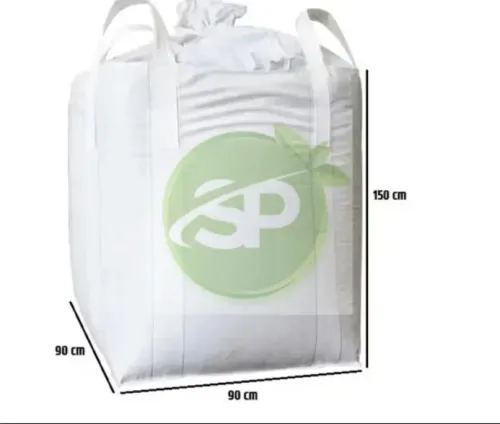
PP bags, or polypropylene bags, are woven packaging bags manufactured from polypropylene, a thermoplastic polymer known for its strength and moisture resistance. They are widely used for industrial and commercial packaging because they can handle heavy loads while maintaining their structural integrity.
PP bags are commonly used for:
- Fertilisers
- Cement
- Chemicals
- Animal feed
- Food grains
- Seeds
- Minerals
- Industrial raw materials
- Construction products
- Bulk packaging applications
Their lightweight design and high durability make them suitable for industries where efficient transportation and long-term storage are important.
What Are Jute Bags?
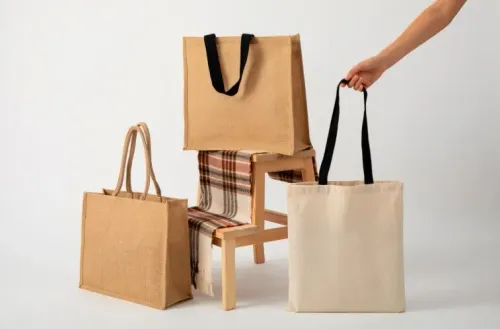
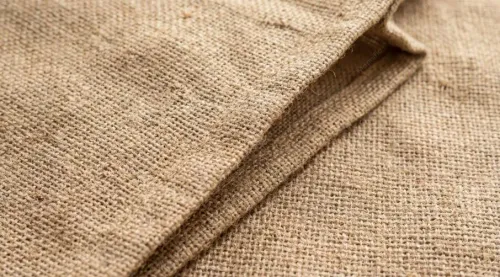
Jute bags are made from natural plant fibres and are valued for their biodegradable nature and breathable construction. They are commonly used in agriculture, retail packaging, corporate branding, and environmentally conscious packaging applications.
Unlike PP bags, jute allows air circulation, making it suitable for products that require ventilation during storage.
Jute bags are widely used for:
- Agricultural produce
- Food grain storage
- Corporate gifting
- Retail shopping
- Promotional campaigns
- Handicrafts
- Export packaging
- Eco-friendly product packaging
Both packaging materials have their place, depending on operational requirements.
Comparing PP Bags and Jute Bags
Understanding the differences between the two materials helps businesses choose the most appropriate packaging solution.
Material
- PP Bags: Manufactured from woven polypropylene.
- Jute Bags: Manufactured from natural jute fibres.
Moisture Resistance
- PP Bags: Offer good resistance to moisture, making them suitable for products stored in humid conditions.
- Jute Bags: Naturally breathable but not designed for prolonged exposure to excessive moisture.
Environmental Impact
- PP Bags: Durable and reusable but made from synthetic material.
- Jute Bags: Biodegradable and made from renewable natural fibres.
Load Carrying Capacity
Both PP bags and high-quality jute bags are capable of carrying heavy products when manufactured according to appropriate specifications.
Appearance
- PP Bags: Functional industrial appearance.
- Jute Bags: Natural finish often preferred for retail and promotional applications.
When PP Bags Are the Better Choice
Businesses often prefer PP bags when packaging needs involve industrial operations and products that require higher resistance to moisture.
PP bags are commonly selected for:
- Fertiliser packaging
- Cement distribution
- Chemical products
- Industrial raw materials
- Bulk warehouse storage
- Manufacturing plants
- Agricultural supply businesses
Their durability and lightweight construction help improve transportation efficiency across large supply chains.
When Jute Bags Are the Better Choice
Jute bags are often selected where sustainability, appearance, and breathability are priorities.
They are ideal for:
- Food grain storage
- Corporate promotional activities
- Retail packaging
- Organic product packaging
- Handicraft businesses
- Boutique stores
- Government awareness campaigns
- Eco-friendly branding
Businesses seeking environmentally responsible packaging often choose jute because it aligns with changing consumer preferences.
Factors to Consider Before Choosing Packaging
Rather than selecting packaging based only on cost, businesses should evaluate operational requirements carefully.
Ask these questions:
- What product will be stored?
- Will the packaging be reused?
- Is moisture resistance important?
- Does the product require ventilation?
- Is branding part of the packaging strategy?
- What weight will each bag carry?
- Are environmental considerations important?
Answering these questions helps narrow down the most suitable packaging option.
Selecting a Reliable Packaging Manufacturer
Consistent manufacturing quality plays an important role regardless of whether a business chooses PP bags or jute products.
Before placing bulk orders, buyers should consider:
- Product quality standards
- Material consistency
- Manufacturing capacity
- Customisation options
- Delivery schedules
- Quality inspection procedures
Manufacturers such as SP Jute Craft supply a range of packaging solutions, including jute products and PP bags, to support agricultural, industrial, commercial, and retail applications. Understanding the intended use before selecting packaging allows businesses to choose products that align with both operational needs and long-term performance expectations.
Choosing the Packaging That Fits Your Business
There is no single packaging material that suits every industry. PP bags and jute bags each serve different purposes, and the right choice depends on the product, storage conditions, transportation requirements, and sustainability goals.
For industries that require moisture-resistant, durable industrial packaging, PP bags remain a dependable option. Businesses focused on eco-friendly packaging, retail presentation, or agricultural storage may find jute products better suited to their needs. By evaluating product requirements carefully and working with an experienced manufacturer, organisations can invest in packaging solutions that improve efficiency while supporting their business objectives.
Keywords