Packaging is an essential part of every supply chain. Whether products are being stored in a warehouse, transported across states, or delivered to distributors, the quality of packaging directly influences product safety and operational efficiency. Among the most widely used industrial packaging materials, PP bags have earned a reputation for their durability, versatility, and ability to handle a wide variety of products.
From fertilizers and cement to food grains and chemicals, PP bags are used by businesses that require dependable packaging for bulk handling. Understanding the different types of PP bags and their applications can help buyers select the most suitable solution for their industry.
What Are PP Bags?
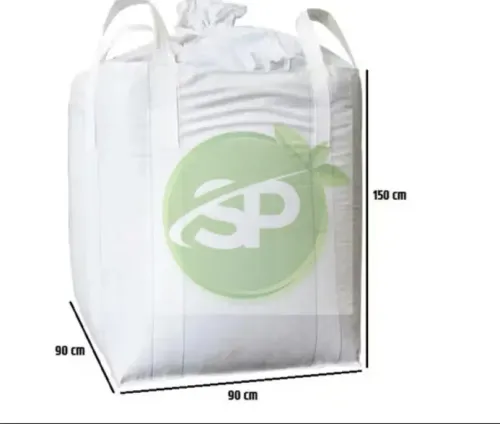
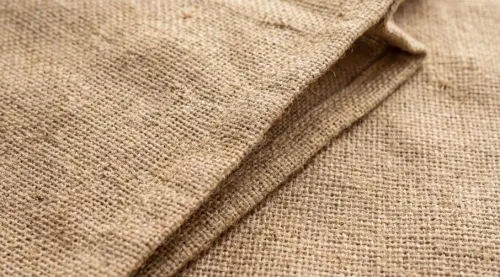
PP bags are woven bags manufactured using polypropylene fibres. The weaving process creates a lightweight yet strong packaging material that can withstand heavy loads and demanding transportation conditions.
Because of their strength and flexibility, PP bags are commonly used across industries that require reliable packaging for storage and distribution. They are available in different sizes, weights, and specifications to suit various commercial applications.
Businesses across Nagpur and Maharashtra rely on PP bags for industrial packaging where consistent performance and efficient handling are important.
Common Applications of PP Bags
PP bags serve a wide range of industries because they can accommodate different product types and weights.
They are commonly used for packaging:
- Fertilisers
- Cement
- Chemicals
- Food grains
- Sugar
- Animal feed
- Seeds
- Minerals
- Construction materials
- Industrial raw materials
Their versatility makes them suitable for manufacturers, distributors, traders, and warehouse operators alike.
Why PP Bags Are Preferred in Industrial Packaging
Businesses handling bulk products require packaging that can withstand transportation, stacking, and storage without frequent damage.
Some of the advantages of PP bags include:
- High load-bearing capacity
- Lightweight construction
- Good resistance to moisture
- Easy handling during transportation
- Suitable for bulk packaging
- Available in different sizes
- Cost-effective for large-volume requirements
- Reusable for selected industrial applications
These features make PP bags a practical choice for businesses that require dependable packaging throughout their supply chain.
Different Types of PP Bags
The right bag depends on the nature of the product being packed.
Some commonly available options include:
Standard Woven PP Bags
Suitable for general industrial packaging, food grains, fertilisers, and agricultural products.
Laminated PP Bags
These bags include a protective coating that improves resistance to moisture and enhances durability during storage.
Printed PP Bags
Often used by manufacturers and retail businesses that require branding, product information, or company identification on the packaging.
Gusseted PP Bags
Designed to provide improved stability and better stacking during warehouse storage.
Choosing the correct type helps improve operational efficiency while reducing packaging-related losses.
Factors to Consider Before Buying PP Bags
Every business has different packaging requirements. Evaluating the following factors before placing an order helps ensure better performance.
Consider:
- Product weight
- Bag dimensions
- Fabric strength
- Moisture exposure
- Storage conditions
- Transportation distance
- Printing requirements
- Stacking method
- Filling process
- Reusability needs
Selecting specifications based on actual operational requirements often delivers better long-term value than choosing packaging based only on price.
Industries That Commonly Use PP Bags
Because of their versatility, PP bags are used across numerous sectors.
They are widely preferred by:
- Fertiliser manufacturers
- Cement companies
- Chemical industries
- Food processing units
- Agricultural suppliers
- Warehouse operators
- Packaging businesses
- Exporters
- Commodity traders
- Manufacturing plants
Each industry may require different bag capacities and construction depending on the products being handled.
Tips for Storing PP Bags
Proper storage helps maintain the quality of unused packaging materials before they enter the production process.
Recommended practices include:
- Store bags in a clean and dry environment.
- Keep them away from excessive heat.
- Stack bags carefully to avoid deformation.
- Protect them from unnecessary mechanical damage.
- Organise inventory according to production requirements.
Good storage practices help preserve packaging quality and reduce wastage.
Choosing the Right Packaging Partner
Reliable packaging begins with reliable manufacturing. Businesses purchasing PP bags in bulk should evaluate suppliers based on product consistency, manufacturing capability, and quality assurance processes.
Before confirming an order, ask:
- Are different sizes and specifications available?
- Can bags be customised with printed branding?
- Are samples provided before bulk production?
- Can the manufacturer handle recurring large-volume orders?
- What quality inspections are carried out during manufacturing?
Manufacturers such as SP Jute Craft supply PP bags for industrial, agricultural, and commercial packaging applications. Reviewing material specifications, load capacity, and customisation options before procurement helps businesses select packaging solutions that match their operational requirements.
Selecting PP Bags That Support Business Efficiency
Packaging influences every stage of the supply chain, from production and storage to transportation and delivery. Choosing the right PP bags helps businesses improve handling efficiency, protect products, and maintain smooth day-to-day operations.
By understanding product requirements, selecting suitable specifications, and working with an experienced manufacturer, organisations can invest in PP bags that provide reliable performance across a wide range of industrial and commercial applications while supporting efficient and organised packaging processes.
Keywords