Whether you're bundling agricultural produce, securing export shipments, creating handcrafted products, or supporting everyday packaging operations, jute twine remains one of the most dependable natural tying materials available. Its strength, flexibility, and biodegradable nature have made it a preferred choice across agriculture, manufacturing, horticulture, and handicraft industries.
As more businesses adopt sustainable alternatives to synthetic materials, jute twine continues to find new applications beyond traditional farming. From packaging units and exporters to florists and home décor businesses, organisations are choosing natural fibre solutions that are both practical and environmentally responsible.
Understanding the different uses, qualities, and buying considerations can help businesses and individuals select the right jute twine for their specific requirements.
What Is Jute Twine?
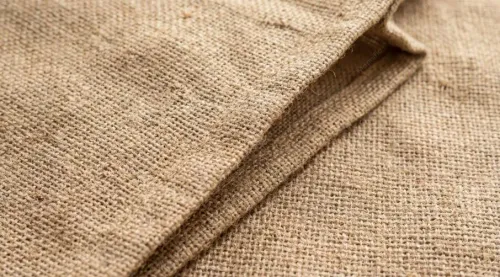
Jute twine is a rope-like material made by twisting natural jute fibres together. Depending on its thickness and construction, it can be used for light-duty household tasks or demanding industrial applications.
Unlike plastic ropes or synthetic tying materials, jute twine is biodegradable and decomposes naturally over time. This makes it an attractive option for businesses looking to reduce their environmental impact while maintaining reliable packaging and bundling performance.
Its natural appearance also makes it popular for decorative and creative applications where aesthetics matter.
Where Is Jute Twine Commonly Used?
One of the biggest advantages of jute twine is its versatility. It is used across several industries because it combines strength with flexibility.
Some common applications include:
- Packaging cartons and parcels
- Bundling agricultural produce
- Horticulture and plant support
- Nursery and gardening work
- Handicrafts and DIY projects
- Export packaging
- Industrial tying applications
- Warehouse bundling
- Decorative wrapping for gift packaging
- Floristry and event decoration
Businesses in Nagpur and across Maharashtra continue to use jute twine for both commercial and agricultural purposes because it offers dependable performance while supporting sustainable practices.
Why Many Industries Prefer Jute Twine
Although synthetic ropes are widely available, jute twine offers several advantages that make it suitable for everyday use.
Some of its key benefits include:
- Made from natural fibres
- Biodegradable and environmentally friendly
- Easy to handle and tie
- Good grip without slipping easily
- Suitable for different knotting techniques
- Available in multiple thicknesses
- Can be reused for various applications
- Blends well with eco-friendly product packaging
These characteristics make it especially valuable for businesses that promote sustainable packaging or natural product presentation.
Choosing the Right Jute Twine
Not every application requires the same type of twine. Selecting the appropriate specification helps improve efficiency and durability.
Before buying, consider the following:
Thickness
Thin twine is suitable for handicrafts, gift wrapping, and lightweight packaging, while thicker varieties are better for agricultural and industrial applications.
Tensile Strength
The twine should be strong enough to support the weight of the products being bundled without breaking during handling or transportation.
Fibre Quality
Uniform, high-quality fibres improve durability and reduce fraying during use.
Length and Roll Size
Businesses purchasing in bulk should choose roll sizes that match their daily operational requirements to minimise wastage.
Intended Environment
For outdoor applications such as farming or horticulture, selecting durable twine helps ensure reliable performance throughout the growing season.
Industries That Regularly Use Jute Twine
Jute twine supports a wide range of industries because of its practical nature and ease of use.
It is commonly purchased by:
- Packaging companies
- Farmers
- Horticulture businesses
- Nurseries
- Exporters
- Handicraft manufacturers
- Retail packaging units
- Warehouses
- Food processing businesses
- Gift packaging companies
Each industry may require different thicknesses depending on the products being handled.
Jute Twine in Agriculture
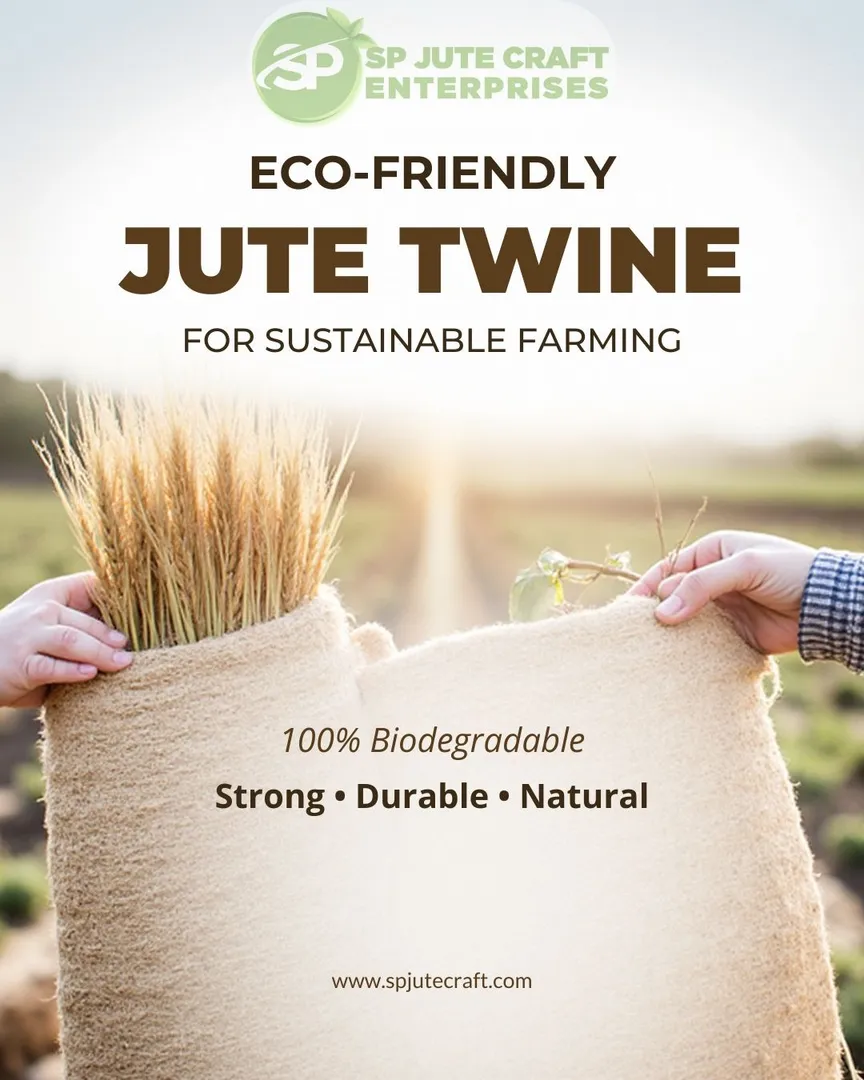
Agriculture remains one of the largest users of jute twine. Farmers rely on it for multiple day-to-day tasks because it is easy to work with and naturally decomposes over time.
Common agricultural uses include:
- Tying crop bundles
- Supporting climbing plants
- Securing nursery saplings
- Bundling fodder
- Packing harvested produce
- Organising irrigation pipes
Because it is made from natural fibres, it fits well into sustainable farming practices where biodegradable materials are preferred.
Tips for Buying Jute Twine in Bulk
Businesses ordering larger quantities should evaluate more than just pricing. Consistent quality is equally important.
Consider asking suppliers:
- What grades of jute twine are available?
- Can different thicknesses be supplied?
- Is the twine suitable for industrial packaging?
- Are bulk order quantities available?
- Is the fibre quality consistent across batches?
- Can customised packaging be provided?
Manufacturers such as SP Jute Craft supply jute twine for packaging, agriculture, handicrafts, industrial applications, and export requirements. Discussing usage requirements before placing an order helps buyers select the appropriate specifications for their operations.
Proper Storage Helps Maintain Quality
Like many natural fibre products, jute twine performs best when stored correctly.
Simple storage practices include:
- Keep rolls in a dry, well-ventilated area.
- Avoid prolonged exposure to moisture.
- Protect from direct sunlight during long-term storage.
- Store on shelves instead of directly on the floor.
- Keep rolls clean to prevent contamination before use.
These practices help preserve the strength and flexibility of the twine until it is ready for use.
A Reliable Natural Material for Everyday Applications
Jute twine continues to be a dependable solution for businesses and individuals seeking a strong, biodegradable, and versatile tying material. Whether it is used for agricultural work, industrial packaging, handicraft production, or commercial bundling, the right quality of jute twine contributes to safer handling and more efficient operations.
By understanding the intended application, selecting suitable specifications, and sourcing from an experienced manufacturer, businesses can choose jute twine that delivers consistent performance while supporting environmentally responsible packaging and production practices.
Keywords