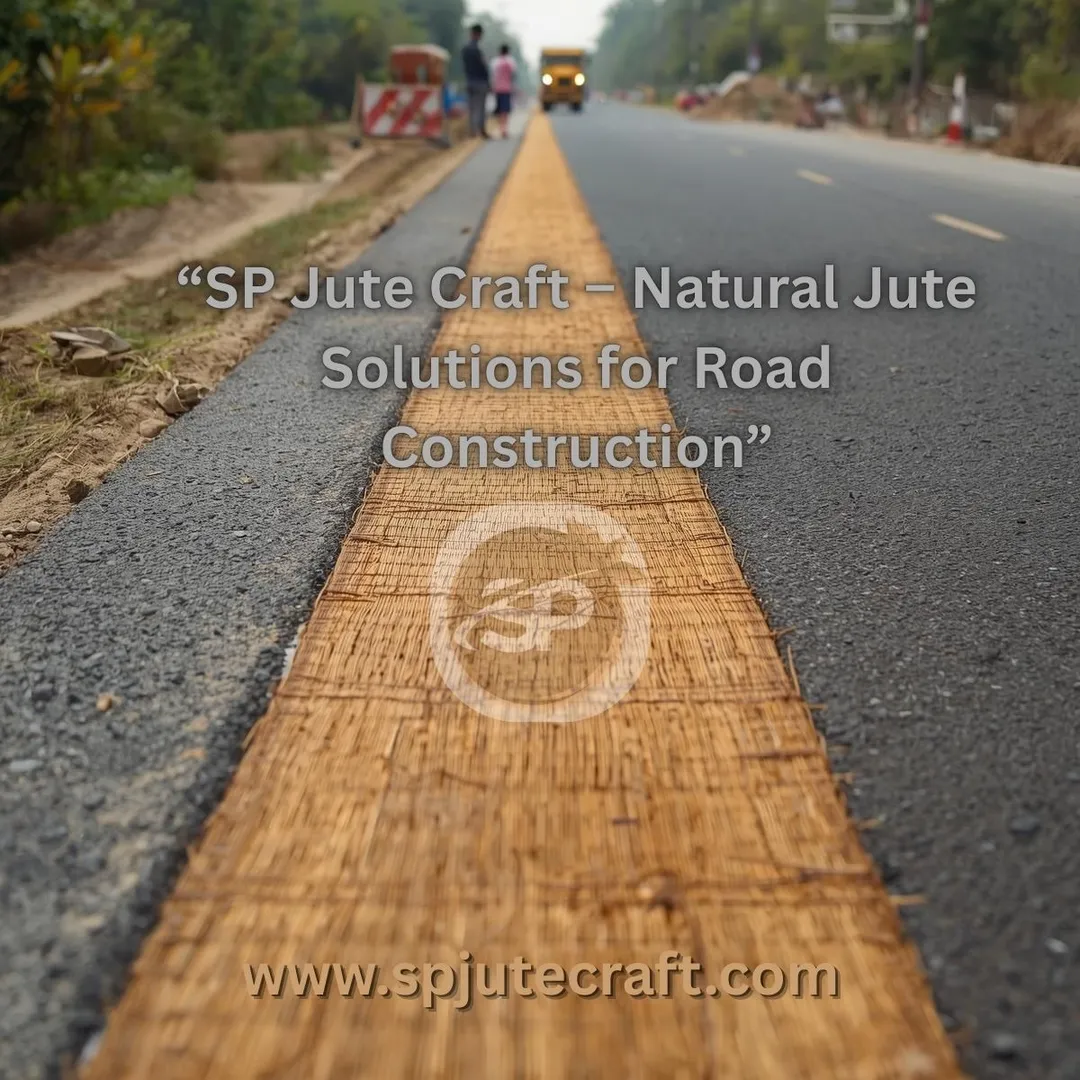
Modern infrastructure projects are no longer focused only on strength and durability. Engineers, contractors, and government agencies are also looking for construction materials that reduce environmental impact while delivering reliable performance. This growing emphasis on sustainable development has increased the use of jute solutions for road construction, particularly in projects involving soil stabilisation, erosion control, slope protection, and temporary ground reinforcement.
Jute-based geotextiles are manufactured from natural fibres and are widely used in civil engineering applications where biodegradable materials provide both structural and environmental benefits. As India continues to invest in highways, rural roads, and public infrastructure, jute solutions have become an important component of environmentally responsible construction practices.
What Are Jute Solutions for Road Construction?
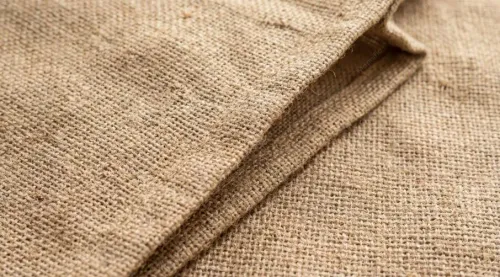
Jute solutions for road construction typically include woven and non-woven jute fabrics that are placed over soil before construction activities begin. These natural geotextiles help improve soil stability, minimise erosion, and create a suitable base for vegetation growth in environmentally sensitive areas.
Unlike synthetic materials that remain in the environment for many years, jute naturally decomposes after serving its purpose, making it suitable for projects where temporary reinforcement is required.
Because of their eco-friendly properties, jute geotextiles are increasingly being considered for sustainable infrastructure development across different regions, including parts of Maharashtra where road expansion and land development projects continue to grow.
How Jute Geotextiles Work
The primary function of jute geotextiles is to provide temporary support until the soil becomes naturally stable.
When installed correctly, they help by:
- Holding loose soil in place
- Reducing surface erosion
- Allowing water infiltration
- Supporting vegetation growth
- Protecting newly constructed slopes
- Improving soil moisture retention
As vegetation develops and root systems strengthen the soil, the jute material gradually biodegrades without leaving harmful residues.
Applications in Road Construction
Jute solutions are used in various stages of infrastructure development depending on project requirements.
Common applications include:
- Road embankment protection
- Slope stabilisation
- Soil erosion control
- Highway landscaping
- Rural road development
- Riverbank protection near roads
- Drainage channel reinforcement
- Temporary soil cover during construction
- Green infrastructure projects
- Environmental restoration work
These applications make jute geotextiles valuable for both government-funded and private infrastructure projects.
Benefits of Using Jute in Infrastructure Projects
Construction companies are increasingly exploring natural alternatives because they offer both engineering and environmental advantages.
Some of the key benefits include:
- Biodegradable material
- Environmentally friendly
- Good water permeability
- Supports natural vegetation
- Helps reduce soil erosion
- Flexible and easy to install
- Suitable for temporary reinforcement
- Contributes to sustainable construction practices
These characteristics make jute particularly useful for projects where ecological restoration forms part of the overall design.
Why Soil Erosion Control Matters
Road construction often involves excavation, cutting slopes, and disturbing natural ground surfaces. Without proper erosion control, rainfall can wash away topsoil, weaken embankments, and increase maintenance costs.
Jute geotextiles help reduce these risks by creating a protective layer that holds soil particles together during the early stages of vegetation growth. This temporary protection allows plants to establish themselves, creating a stronger and more stable natural surface over time.
Projects That Commonly Use Jute Geotextiles
Jute solutions are suitable for a variety of civil engineering and environmental projects.
They are commonly used by:
- Road construction companies
- Infrastructure developers
- Government contractors
- Municipal authorities
- Environmental engineering firms
- Irrigation departments
- Landscape contractors
- Railway infrastructure projects
- Hill road development agencies
- Riverbank restoration projects
Each project may require different fabric specifications depending on soil conditions and engineering requirements.
Factors to Consider Before Selecting Jute Geotextiles
Choosing the appropriate material requires more than simply selecting a fabric roll. Contractors should evaluate technical specifications that match project conditions.
Important considerations include:
- Fabric weight
- Tensile strength
- Weave type
- Soil characteristics
- Project duration
- Drainage requirements
- Slope angle
- Installation method
Consulting project engineers during material selection helps ensure the geotextile performs as intended throughout the construction phase.
Choosing the Right Manufacturing Partner
Quality consistency is essential for infrastructure projects where materials must meet technical requirements.
Before placing an order, contractors should ask:
- What grades of jute geotextiles are available?
- Can customised roll dimensions be supplied?
- Are products manufactured according to project specifications?
- Can bulk quantities be delivered within construction timelines?
- What quality inspections are carried out before dispatch?
Manufacturers such as SP Jute Craft supply jute-based solutions for road construction, soil stabilisation, erosion control, and infrastructure applications. Understanding project specifications before procurement helps contractors select materials that align with engineering requirements and environmental objectives.
Supporting Sustainable Infrastructure Development
As infrastructure projects increasingly focus on balancing performance with environmental responsibility, natural materials continue to gain importance. Jute solutions for road construction demonstrate how biodegradable products can effectively contribute to soil protection, erosion control, and sustainable engineering practices without creating long-term environmental concerns.
For contractors, government agencies, and infrastructure developers, selecting the right jute geotextile based on site conditions and technical requirements can improve project outcomes while supporting greener construction methods. As demand for environmentally conscious infrastructure continues to grow, jute-based solutions are expected to remain an important part of modern civil engineering projects.
Keywords