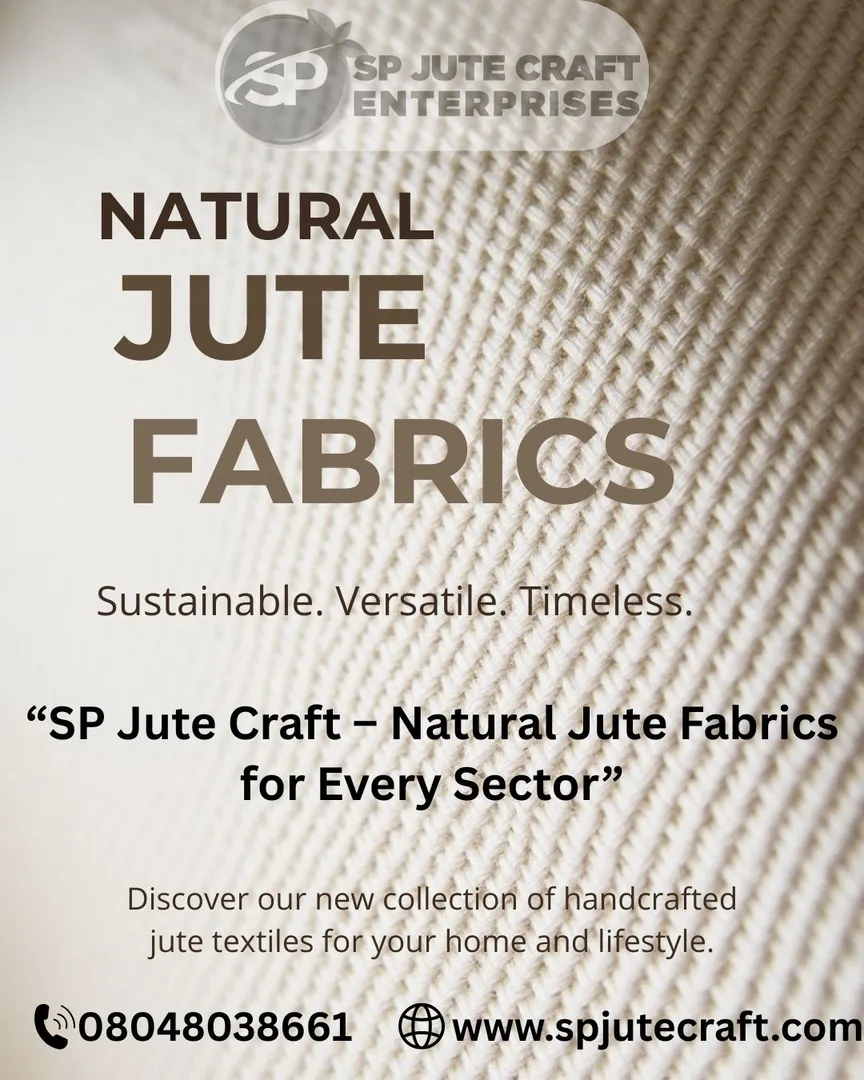
Jute has long been recognised as one of the most versatile natural fibres, and its applications continue to grow across industries. From manufacturing shopping bags and home décor products to industrial packaging and upholstery, jute fabric offers a combination of durability, sustainability, and adaptability that makes it suitable for a wide range of uses.
As businesses and consumers increasingly prefer environmentally responsible materials, the demand for quality jute fabric has expanded beyond traditional packaging. Manufacturers, furniture makers, handicraft businesses, and exporters are now exploring different grades and varieties of jute fabric to meet their production requirements. Understanding how jute fabric differs in quality, weave, and application can help buyers make informed purchasing decisions.
What Is Jute Fabric?
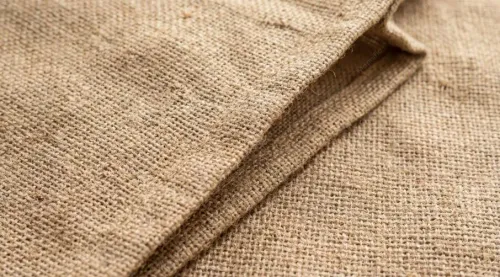
Jute fabric is a woven textile made from the fibres of the jute plant. Known for its natural golden colour and coarse texture, it is valued for its strength, breathability, and biodegradability. Depending on the weaving process and finish, jute fabric can range from lightweight materials suitable for decorative purposes to heavy-duty fabrics designed for industrial applications.
Its natural appearance also makes it a preferred choice for businesses looking to combine functionality with an eco-friendly image.
Common Uses of Jute Fabric
One of the reasons jute fabric remains in demand is its versatility. It serves multiple industries without requiring significant processing or chemical treatments.
Some of its most common applications include:
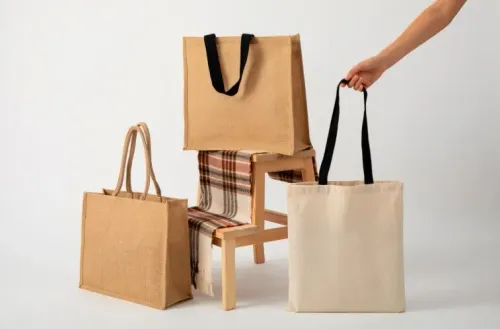
- Manufacturing shopping and promotional bags
- Upholstery and furniture furnishing
- Home décor products
- Handicrafts and DIY projects
- Industrial packaging
- Agricultural applications
- Wall coverings and decorative panels
- Storage products
- Export packaging
- Eco-friendly retail packaging
Businesses across Nagpur and Maharashtra are increasingly incorporating jute fabric into their products as consumers become more conscious about sustainable alternatives.
Different Types of Jute Fabric
Not all jute fabric is the same. Different types are designed to suit different manufacturing and commercial requirements.
Hessian Fabric
Also known as burlap, Hessian fabric is lightweight and commonly used for bags, decorative products, packaging, and handicrafts.
Sacking Fabric
This heavier variety is primarily used for manufacturing gunny bags and industrial packaging where strength is the priority.
Laminated Jute Fabric
Laminated fabric includes an additional protective layer that improves moisture resistance. It is often used in premium shopping bags and reusable retail packaging.
Dyed and Printed Jute Fabric
Available in different colours and patterns, these fabrics are widely used in fashion accessories, promotional products, and customised packaging.
Understanding the intended application helps determine which fabric type is most suitable.
Factors to Consider When Buying Jute Fabric
Selecting the right fabric involves more than choosing a roll based on appearance. Buyers should evaluate several technical aspects before placing an order.
Important considerations include:
- Fabric thickness
- Weave density
- GSM (grams per square metre)
- Tensile strength
- Uniform texture
- Colour consistency
- Moisture resistance
- Surface finish
- Roll width
- Suitability for printing or stitching
Choosing the appropriate specifications helps manufacturers reduce material wastage while improving the quality of finished products.
Industries That Use Jute Fabric
Jute fabric has applications across multiple sectors because of its durability and adaptability.
It is commonly used by:
- Bag manufacturers
- Furniture manufacturers
- Home décor brands
- Handicraft businesses
- Export houses
- Packaging companies
- Event organisers
- Retail product manufacturers
- Agricultural product suppliers
- Interior designers
Each industry may require a different fabric grade depending on its production process and final product.
Why Businesses Are Choosing Jute Fabric
Many businesses today are looking for materials that support both functionality and sustainability. Jute fabric offers several practical advantages that make it suitable for commercial use.
Some key benefits include:
- Biodegradable and environmentally friendly
- Strong and durable
- Suitable for repeated use
- Easy to customise through printing and stitching
- Available in multiple grades
- Cost-effective for large-scale production
- Breathable for packaging applications
- Natural aesthetic that appeals to modern consumers
These characteristics make jute fabric a valuable material for manufacturers seeking environmentally responsible alternatives without compromising product quality.
How to Select a Reliable Jute Fabric Supplier
The quality of raw material has a direct impact on the finished product. Before choosing a supplier, buyers should evaluate both manufacturing capability and quality assurance practices.
Useful questions to ask include:
- Are different fabric grades available?
- Can customised widths and roll sizes be supplied?
- Is the fabric suitable for printing?
- Are samples available before bulk orders?
- How is fabric quality tested?
- Can the supplier handle consistent bulk requirements?
Companies such as SP Jute Craft supply different types of jute fabric for bag manufacturing, upholstery, industrial packaging, handicrafts, and other commercial applications. Reviewing technical specifications and discussing production requirements before ordering helps businesses select material that aligns with their manufacturing needs.
Caring for Jute Fabric
Proper handling and storage help preserve the quality of jute fabric before it is used in production.
A few simple practices include:
- Store fabric rolls in a dry environment.
- Keep them away from direct moisture.
- Avoid prolonged exposure to sunlight.
- Stack rolls carefully to prevent creasing.
- Handle with clean hands or gloves when required.
- Use appropriate storage racks for long-term inventory.
Following these practices helps maintain the fabric's strength, texture, and appearance until it is ready for manufacturing.
Choosing the Right Jute Fabric for Your Business
Jute fabric continues to be a preferred material for businesses that value durability, versatility, and environmental responsibility. Whether it is used for manufacturing bags, creating home décor products, producing handicrafts, or supporting industrial packaging, selecting the right fabric grade contributes to better product quality and improved performance.
Understanding the intended application, evaluating technical specifications, and sourcing from an experienced manufacturer can help businesses invest in jute fabric that delivers consistent results while supporting the growing demand for sustainable products.
Keywords