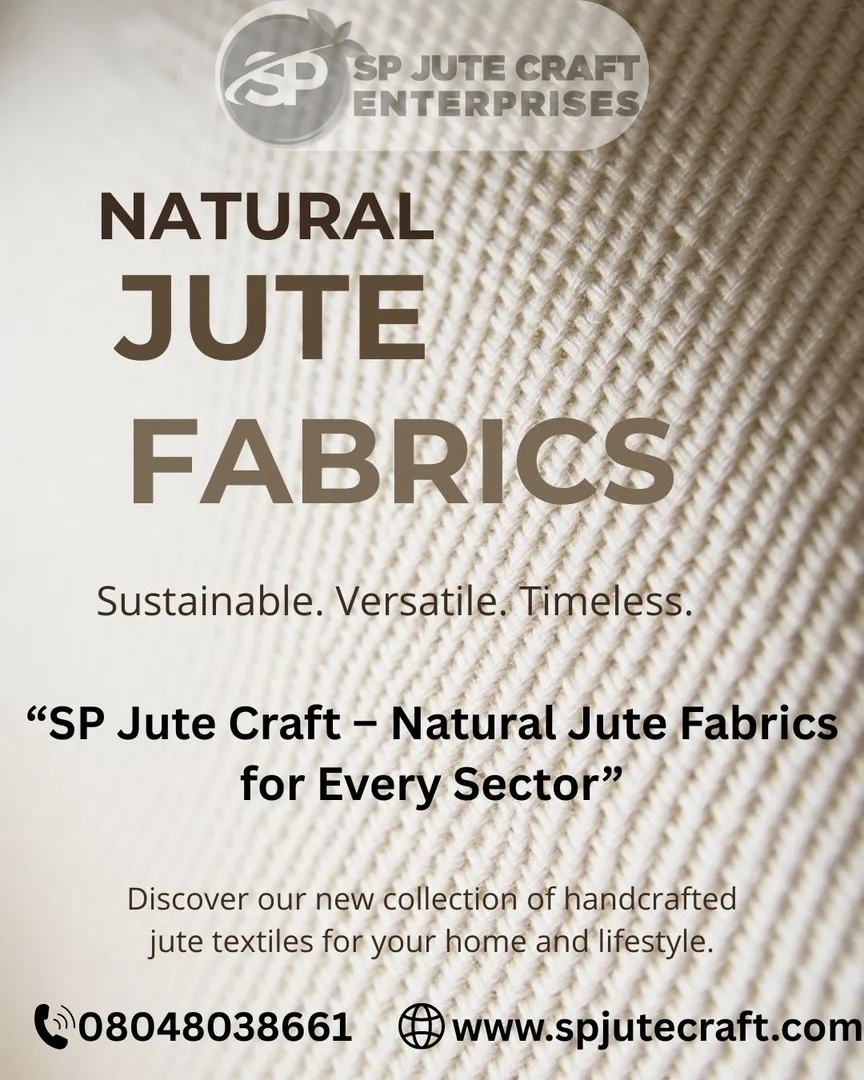
Selecting the right jute fabric is an important decision for businesses involved in manufacturing, packaging, furnishing, handicrafts, and industrial production. While all jute fabrics are made from natural fibres, they are available in different grades, weights, weaves, and finishes that determine their suitability for specific applications.
Understanding these differences helps manufacturers improve product quality, reduce material wastage, and achieve better production efficiency.
Why Jute Fabric Is Widely Used
Jute fabric is valued for its strength, durability, and biodegradable properties. Unlike synthetic materials, it is produced from renewable natural fibres, making it a preferred choice for businesses looking to adopt environmentally responsible manufacturing practices.
Its versatility allows it to be converted into numerous finished products across multiple industries.
Common Applications of Jute Fabric
Different industries use jute fabric in different ways depending on production requirements.
Some of the most common applications include:
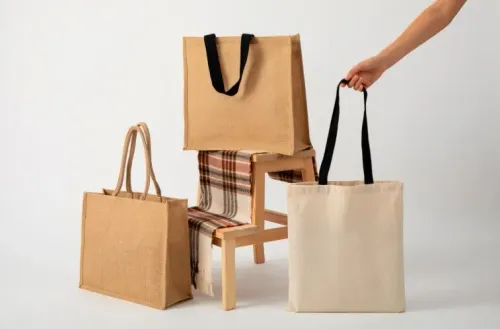
- Manufacturing shopping bags
- Promotional bag production
- Upholstery
- Furniture and furnishing
- Home décor products
- Industrial packaging
- Handicrafts
- Export products
Manufacturers often choose specific fabric grades based on strength, appearance, and intended end use.
Factors to Consider Before Buying Jute Fabric
Choosing the correct material begins with understanding the product's intended application.
Important factors include:
Fabric Weight
Heavier fabrics are suitable for industrial products and durable bags, while lighter fabrics work well for decorative applications and gift packaging.
Weave Quality
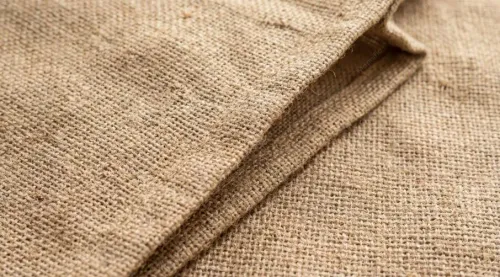
A uniform weave provides better durability and produces a cleaner appearance, especially for products requiring printing or stitching.
Surface Finish
Some applications require a natural finish, while others benefit from laminated or treated surfaces for improved durability.
Print Compatibility
Businesses planning logo printing or branding should ensure the selected fabric supports high-quality printing without affecting design clarity.
Production Volume
Manufacturers handling bulk orders should select suppliers capable of maintaining consistent fabric quality across large production runs.
Industries That Depend on Jute Fabric
Jute fabric supports a wide range of commercial sectors.
Major users include:
- Bag manufacturers
- Export houses
- Furniture manufacturers
- Interior décor companies
- Handicraft businesses
- Packaging manufacturers
- Retail product manufacturers
- Industrial supply companies
Because of its adaptability, a single manufacturer may use multiple varieties of jute fabric for different product categories.
Benefits for Businesses
Businesses continue investing in jute fabric because it offers long-term value.
Key advantages include:
- Renewable natural material
- Strong tensile strength
- Easy to stitch and process
- Suitable for multiple product categories
- Supports sustainable manufacturing
- Good durability
- Attractive natural texture
- Wide customization possibilities
These qualities make it an excellent raw material for companies developing eco-friendly product lines.
Demand Across Nagpur
Manufacturing activity across Nagpur has encouraged greater adoption of sustainable raw materials for packaging and consumer products. Businesses producing shopping bags, furnishing materials, handicrafts, and promotional merchandise increasingly prefer quality jute fabric to meet changing customer expectations.
Manufacturers also look for suppliers capable of delivering consistent quality in bulk quantities while accommodating custom production requirements.
SP Jute Craft supplies different types of jute fabric for manufacturers, exporters, furniture businesses, and industrial buyers requiring dependable raw materials for commercial production.
Selecting the right jute fabric is ultimately about matching material specifications with the intended application. Businesses that evaluate quality, weave, finish, and production consistency are better positioned to manufacture durable products while supporting environmentally responsible operations.
Keywords