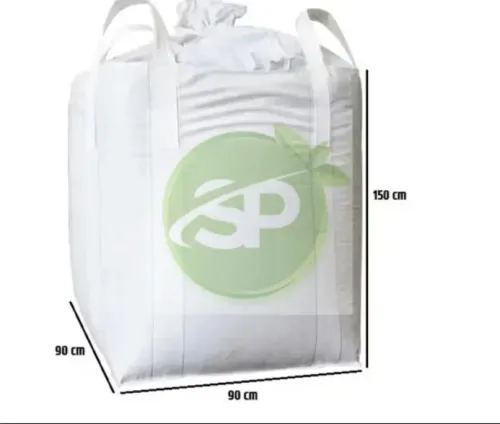
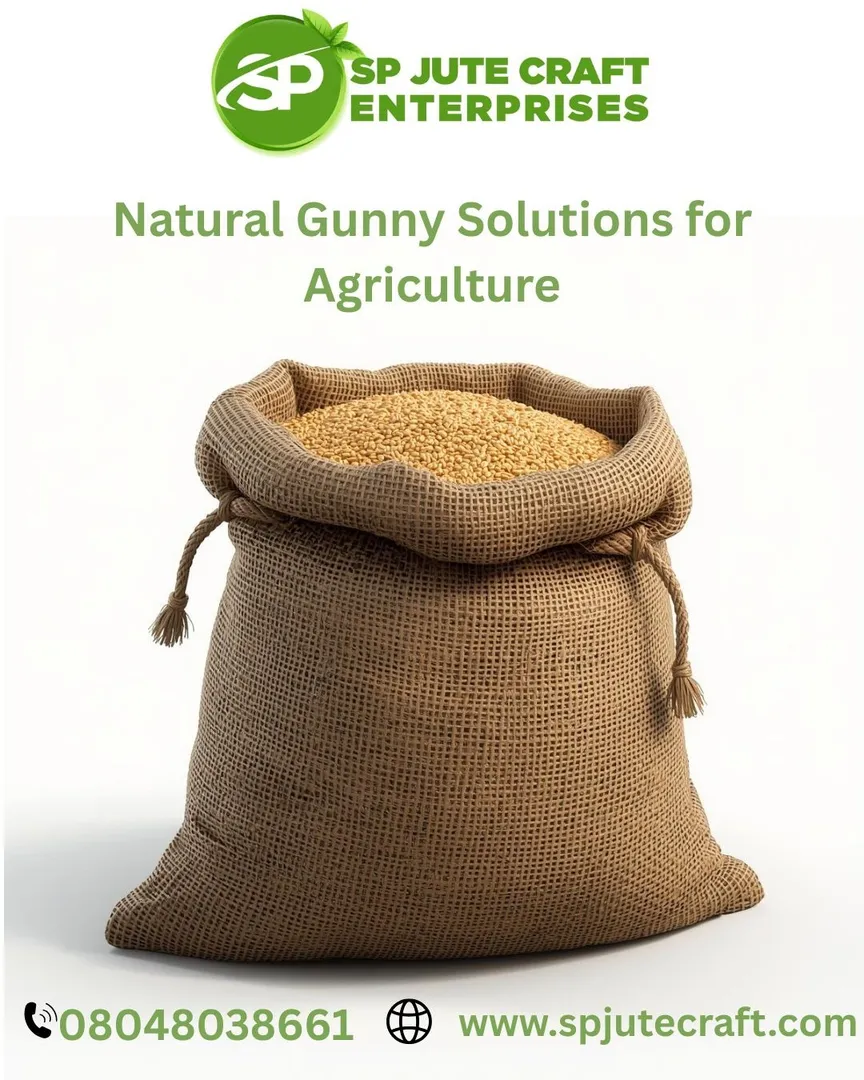
For farmers, proper packaging is just as important as successful cultivation. After months of hard work in the field, harvested crops need to be stored, transported, and protected without compromising their quality. The right packaging helps minimise losses, simplifies handling, and supports efficient movement from farms to markets or warehouses. This is why gunny bags for farmers continue to be one of the most trusted packaging solutions in agriculture.
Made from natural jute fibres, gunny bags have been used for generations because they are durable, breathable, and suitable for storing a wide variety of agricultural products. Even with modern packaging alternatives available, many farmers and agricultural businesses continue to rely on jute bags for their practical advantages and long-term usability.
Why Packaging Matters After Harvest
Harvesting is only one stage of the agricultural process. Poor storage or unsuitable packaging can lead to moisture damage, contamination, product spoilage, and unnecessary financial losses.
Good-quality gunny bags help farmers by:
- Protecting harvested produce during transportation
- Allowing natural air circulation
- Making loading and unloading easier
- Supporting organised warehouse storage
- Reducing the risk of product damage
- Offering reusable packaging for multiple farming seasons
Choosing the appropriate bag for the crop being stored helps preserve quality until the produce reaches buyers or procurement centres.
Crops Commonly Stored in Gunny Bags
One of the biggest strengths of jute gunny bags is their versatility. They can be used for storing and transporting different agricultural commodities.
Farmers commonly use them for:
- Wheat
- Rice
- Maize
- Pulses
- Groundnuts
- Soybeans
- Sugar
- Onion
- Potato
- Seeds
- Animal feed
Because the fabric allows airflow, many agricultural products remain better ventilated during storage compared to certain non-breathable packaging materials.
Why Breathability Is an Important Advantage
Freshly harvested crops often contain residual moisture. If moisture becomes trapped inside unsuitable packaging, it can increase the risk of spoilage, mould growth, or quality deterioration.
Jute gunny bags naturally allow air circulation, helping reduce moisture accumulation during storage. This makes them particularly suitable for agricultural commodities that may remain in warehouses or storage facilities for extended periods.
For many farmers across Nagpur and other agricultural regions of Maharashtra, this breathable property remains one of the key reasons for choosing traditional jute packaging.
Features to Look for When Buying Gunny Bags
Not all gunny bags are manufactured to the same quality standards. Before purchasing, farmers and agricultural businesses should evaluate several important factors.
Look for:
- Strong jute fibre
- Uniform weaving
- High stitching quality
- Appropriate load capacity
- Tear resistance
- Durable seams
- Proper bag dimensions
- Reliable finishing
A well-manufactured bag is less likely to fail during transportation or repeated handling.
New vs Old Gunny Bags: Which One Should You Choose?
Farmers often have the option of purchasing either new or reused gunny bags. Understanding the difference helps in making the right decision.
New Gunny Bags
These are manufactured from fresh jute fibres and are generally preferred for:
- Food grain storage
- Government procurement
- Export consignments
- Seed packaging
- Long-term storage
Old Gunny Bags
Reused bags may be suitable for:
- Secondary transportation
- Industrial materials
- Short-term storage
- Non-food applications
The choice depends on the intended use, quality expectations, and budget.
Choosing the Right Size and Capacity
Different crops require different bag sizes depending on their weight, handling method, and transportation process.
Before placing an order, consider:
- Weight of the agricultural produce
- Storage duration
- Transportation method
- Warehouse stacking requirements
- Ease of manual handling
Selecting the appropriate size improves operational efficiency while reducing the risk of overloading.
Tips for Storing Gunny Bags
Proper storage extends the lifespan of reusable gunny bags and helps maintain their strength.
Simple storage practices include:
- Keep bags in a dry location.
- Avoid prolonged exposure to rain or excessive humidity.
- Store away from direct sunlight when not in use.
- Stack bags neatly to prevent unnecessary damage.
- Inspect stitching before reusing old bags.
Following these basic practices helps farmers maximise the value of their packaging investment.
Finding a Reliable Supplier
Consistency in packaging quality becomes especially important for farmers purchasing in bulk. Working with an experienced manufacturer helps ensure that the bags meet agricultural requirements and remain durable throughout handling and storage.
Before selecting a supplier, ask questions such as:
- Are different bag sizes available?
- What load capacities can the bags support?
- Can bulk quantities be supplied during harvest season?
- Are quality inspections carried out before dispatch?
- Can both new and old gunny bags be supplied?
Manufacturers such as SP Jute Craft provide gunny bags for agricultural storage, food grain handling, warehouse operations, and commercial packaging. Understanding the crop type, storage duration, and transportation requirements before ordering helps buyers choose bags that are suitable for their specific agricultural needs.
Investing in Reliable Agricultural Packaging
Packaging plays a vital role in protecting agricultural produce from the time it leaves the farm until it reaches warehouses, markets, or processing units. Selecting high-quality gunny bags helps improve handling efficiency, supports proper ventilation, and reduces the chances of product loss during storage and transportation.
For farmers looking for dependable and reusable packaging, gunny bags continue to offer a practical balance of strength, durability, and sustainability. Choosing the right specifications and working with a reliable manufacturer ensures that agricultural produce remains well protected throughout the supply chain while supporting environmentally responsible packaging practices.
Keywords